

Features
Maldives Ratifies Major Tourism Act Amendment: What’s New for Resorts and Tour Operators
The Maldives has ratified the 16th Amendment to the Tourism Act, bringing several major changes that affect resorts, operators, guesthouses, councils and foreign tour agencies. The law was officiall...
Mohamed Hilmy
09 December 2025, 00:00
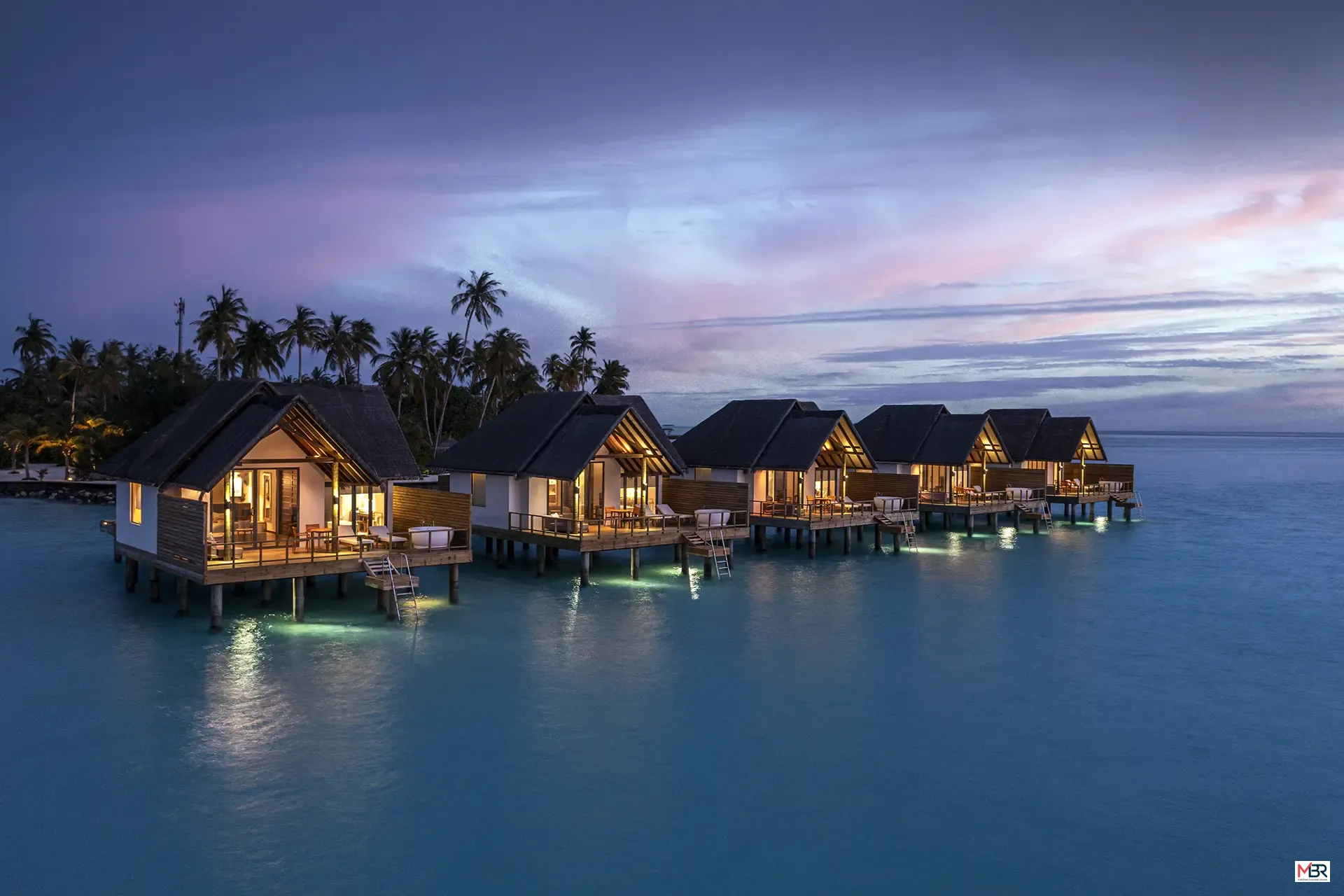
The Maldives has ratified the 16th Amendment to the Tourism
Act, bringing several major changes that affect resorts, operators,
guesthouses, councils and foreign tour agencies. The law was officially
approved by the President and published on December 6, 2025.
What’s New
·
The Amendment expands what
counts as regulated tourism services: water-sports and dive-centers are now
explicitly listed, while resort hotels have been removed from the section that
defines tourism services — though they remain defined elsewhere in the law.
·
A new category, Tourism
Training Resorts, is introduced. These will function like regular resorts but
also include structured training facilities. Regulations for their lease,
development and operation will be announced soon.
·
The “reduced
lease-extension fee” window for resort leases has reopened: from 6 December
2025 to 5 June 2026 — a limited six-month window for lease renewals under
favorable terms.
·
For resorts under
construction, the rules for extending the construction period have been
clarified. Now, extensions may come with either Payments to a Tourism Trust
Fund or contributions to designated public projects (as part of CSR
obligations). Any extension must follow the updated procedures under the law.
·
Foreign tour operators
selling or facilitating Maldives tourism packages must now hold a valid Foreign
Tour Operator Licence and work through a locally licensed operator under an
affiliation agreement.
·
Tourism developments on
inhabited islands or city-areas are now restricted to guesthouses or hotels —
full-scale resort developments in these zones are no longer allowed.
·
Revenue from guesthouses or
hotels on inhabited islands must now be directed to the relevant Island or City
Council, strengthening the link between tourism income and local governance.
·
The door is now open for
state-owned enterprises (SOEs) to lease islands, land or lagoons for resort or
integrated-resort development — provided they meet financial and professional
capacity requirements.
·
The new law raises the
stakes for non-compliance. Operating tourism services without a valid license
can attract fines up to MVR 1,000,000, with a daily fine of MVR 100,000 for
continuing violations.
What’s Next
The amendment provides a legal framework, but detailed
regulations and guidelines — such as fee formulas, training-resort standards,
and CSR obligations — are expected within 90 days from its enactment.
Stakeholders across resorts, agencies and councils will need to review their
operations and licensing arrangements carefully to ensure compliance.
Observers say the updates aim to bring greater clarity and
structure to tourism development while offering new opportunities —
particularly for training resorts and SOEs — and reinforcing oversight and
local community benefit. The success of the changes, however, will depend on
how the new regulations are implemented across the sector.
Leave a comment
Comments
No comments yet. Be the first to comment!
Latest News
News
Thilafushi port relocation key to economic growth, President says
01 Oct 2026
News
BML introduces USD 3,500 monthly ATM withdrawal limit per customer
01 Oct 2026
News
President establishes National Exchange Limited to develop securities market
01 Oct 2026
News
MWSC Showroom Launches Special Promotion to Mark 10th Anniversary
01 Oct 2026