

News
Government’s Spending on Subsidies Drops by Over 25 Percent
Government spending on subsidies has seen a sharp decline of more than a quarter compared to the same period last year, according to the Ministry of Finance’s latest Weekly Fiscal Developments repo...
Mohamed Hilmy
23 April 2025, 00:00
Government
spending on subsidies has seen a sharp decline of more than a quarter compared
to the same period last year, according to the Ministry of Finance’s latest Weekly
Fiscal Developments report.
As of April 17,
2025, the government has disbursed a total of MVR 2.79 billion in grants and
subsidies, slightly below the MVR 2.8 billion spent during the same timeframe
in 2024. However, a closer look at the breakdown reveals a substantial cut
specifically in subsidies, which dropped from MVR 1.22 billion last year to MVR
986.9 million this year — a decrease of over 25 percent.
Officials
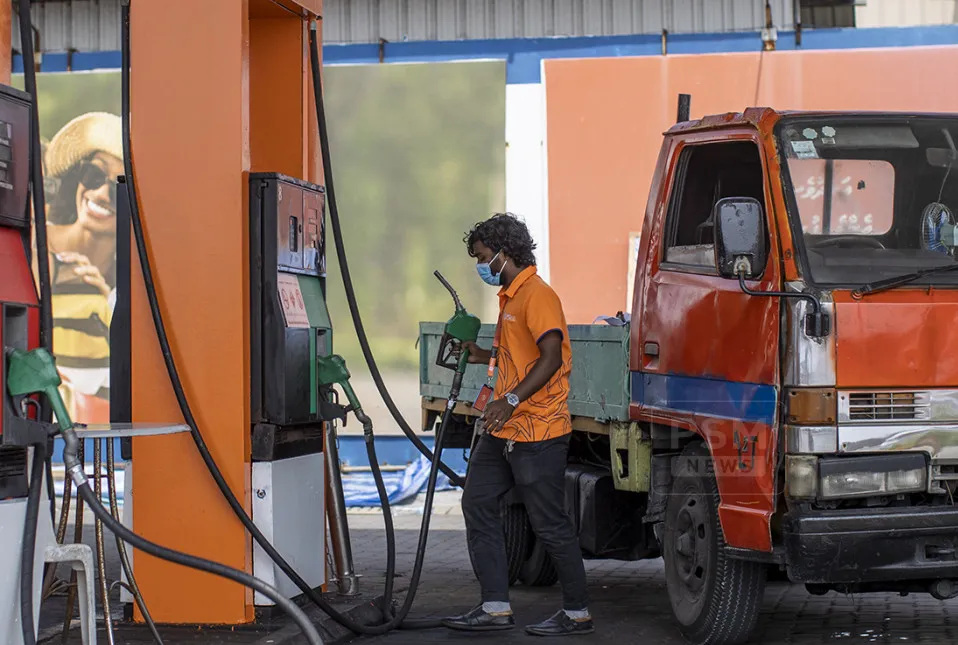
attribute the decline primarily to a reduction in fuel import subsidies, driven
by falling global oil prices. The cut in fuel subsidies marks a significant
shift in the government’s subsidy strategy and reflects a broader effort to
contain public expenditure amid fiscal tightening.
While overall
grants and subsidies remained nearly stable due to increases in other areas —
such as Aasandha, the national health insurance scheme, which saw an increase
from MVR 554 million to MVR 670.7 million — the drop in direct subsidy
allocations signals a reallocation of resources. Grants to local councils also
declined modestly from MVR 563.4 million to MVR 537.8 million.
The report also
indicates that total government expenditure, both recurrent and capital, has
decreased by 25.3 percent compared to the same period last year. As of
mid-April, the government has spent 19.3 percent of the total annual
expenditure allocated in the 2025 budget. Recurrent expenditure continues to
dominate, accounting for 92.2 percent of total spending, while capital
expenditure remains minimal at 7.8 percent.
On the revenue
side, the government has collected 29.3 percent of the total revenue and grants
projected for the year. Tax revenue contributed the lion’s share at 77.1
percent, followed by non-tax revenue at 22.3 percent. Compared to the same
period in 2024, total revenue and grants have grown by 5.4 percent, suggesting
improved revenue mobilization despite spending cuts.
The Ministry of
Finance's data offers a snapshot of the government's shifting fiscal priorities
and highlights the impact of external market conditions, such as oil prices, on
domestic policy decisions.
Leave a comment
Comments
No comments yet. Be the first to comment!
Latest News
News
Registrations Open for Sri Lanka Economic & Investment Summit
28 Jul 2026
News
Lavazza Awarded EcoVadis Gold Medal, Ranking Among World's Top 5% for Sustainability
28 Jul 2026
News
TECNO Named Title Sponsor as 2026 SAFF Championship Launched in Dhaka
27 Jul 2026
News
beOnd Signs Agreement to Connect Europe with Saudi Arabia’s Red Sea
27 Jul 2026