

News
IMF Forecasts Maldives' Economic Growth to Recover from 2027
According to the IMF, the Maldivian economy demonstrated resilience over the past year, supported by fiscal reforms, growth in the tourism sector, bilateral assistance, and an increase in official foreign exchange reserves.
Mohamed Hilmy
17 June 2026, 06:06
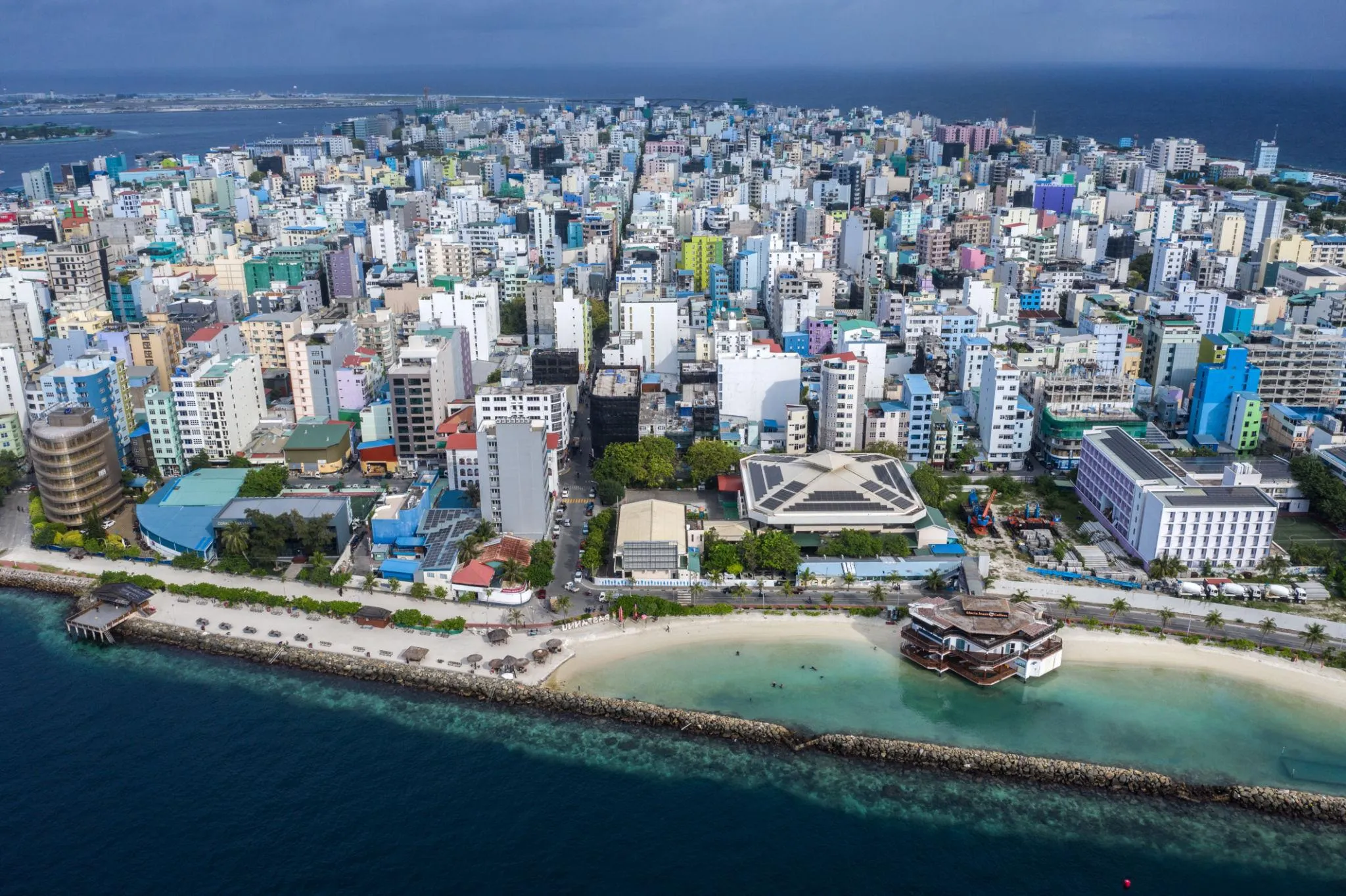
The International Monetary Fund (IMF) has projected that the Maldives’ economic growth will begin to recover in 2027, returning to its medium-term growth benchmark of 4 percent.
The forecast was outlined in the preliminary statement issued by the IMF’s 2026 Article IV Mission following its visit to the Maldives from 4 June to 14 June 2026.
According to the IMF, the Maldivian economy demonstrated resilience over the past year, supported by fiscal reforms, growth in the tourism sector, bilateral assistance, and an increase in official foreign exchange reserves.
However, the IMF expects economic growth to slow to 1 percent in 2026 due to ongoing conflicts in the Middle East, which are likely to disrupt tourism and contribute to higher global energy prices. Despite these challenges, the Fund expects the economy to begin recovering in 2027 and gradually return to stronger growth levels.
To support sustainable long-term growth, the IMF recommended implementing structural reforms, investing in human capital development, improving the business environment, and strengthening climate resilience. The Fund also noted that the Maldives is pursuing free trade and financial agreements with foreign countries, which could deepen integration into international markets and support future economic activity.
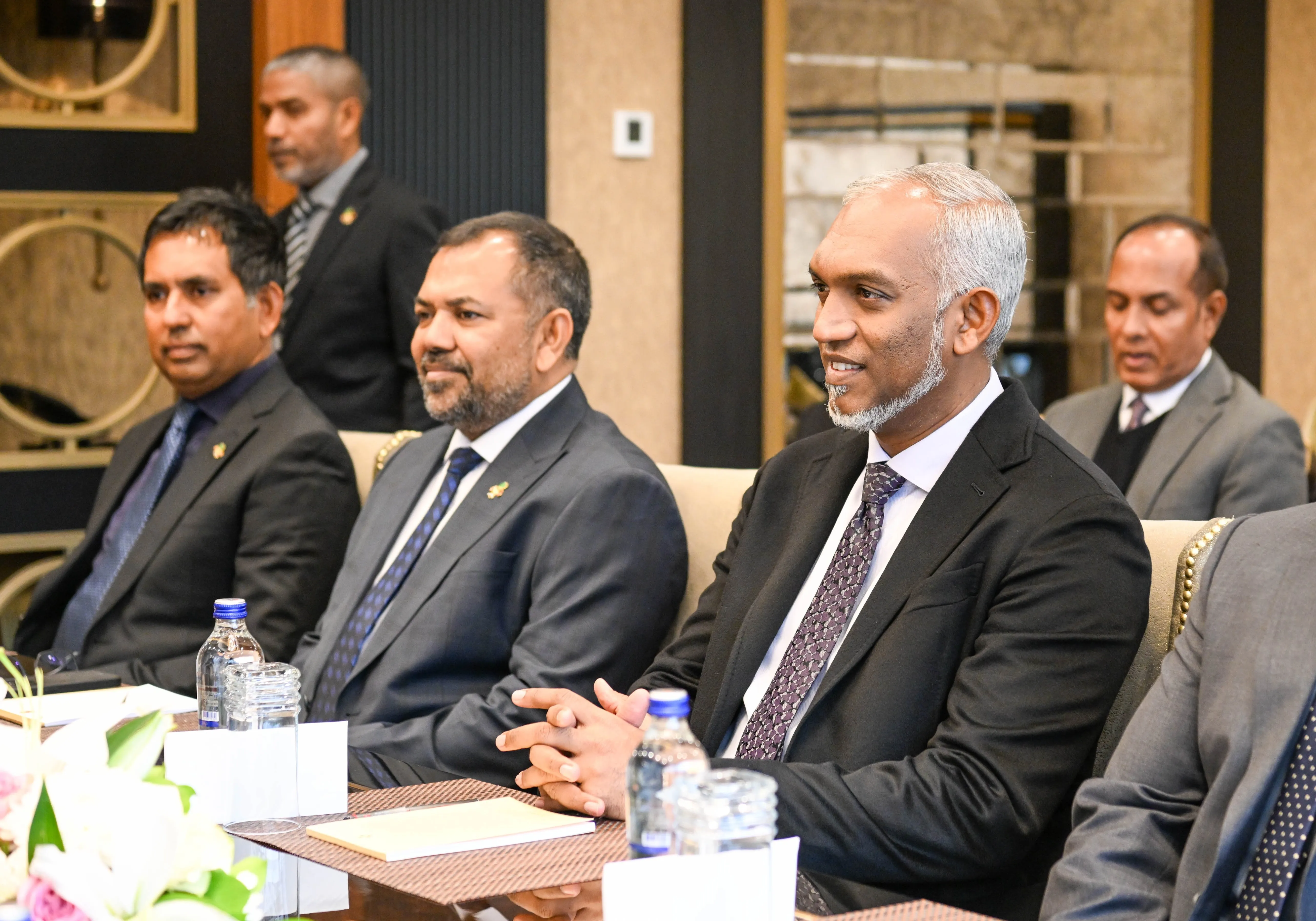
Furthermore, the IMF emphasized the importance of strengthening legal and administrative governance to improve the business climate and promote private sector development. It also highlighted that recent measures to address foreign exchange shortages, including the introduction of new foreign exchange regulations, have helped ease currency constraints and create conditions for stronger reserve accumulation.
The IMF welcomed the Maldives Monetary Authority’s (MMA) decision to resume Open Market Operations and recommended continuing these efforts to safeguard financial stability. The Fund also noted that transitioning to renewable energy would support sustainable economic growth while helping to reduce subsidy expenditures during periods of elevated global oil prices.
In addition, the IMF stressed the importance of continuing the fiscal reform programme launched in 2025 to reduce public debt and strengthen fiscal sustainability. Key measures include reducing capital expenditure, increasing government revenue, and reforming subsidies to ensure assistance is targeted toward those most in need.
The Fund identified geopolitical tensions, volatile energy prices, and challenges in securing external financing as key risks to the country’s economic outlook. As a result, it advised the government to maintain a strong focus on preserving macroeconomic stability, managing public debt, and strengthening public finances.
Leave a comment
Comments
No comments yet. Be the first to comment!
Latest News
News
Visit Maldives and Emirates Sign Tourism Promotion Agreement
15 Sep 2026
News
Ministry Bars Work Visa Conversion for Business and Special Visa Holders
15 Sep 2026
News
Anwar to Consult Petronas on Oil Exploration in the Maldives
15 Sep 2026
News
Maldives and Malaysia to Enhance Cooperation in Halal Tourism
15 Sep 2026